The U.S. Supreme Court cited two UC Berkeley professors, Hidetaka Hirota and James Kettner, when it struck down President Donald Trump’s executive order challenging birthright citizenship in June.
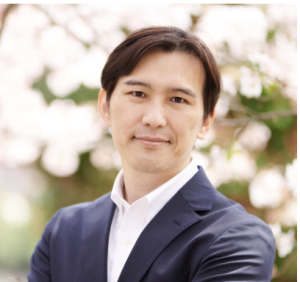
Hirota is an associate professor in Berkeley’s history department, where he specializes in immigration. Kettner, who was a colonial and early American history professor and a faculty member for 30 years, died in 2002.
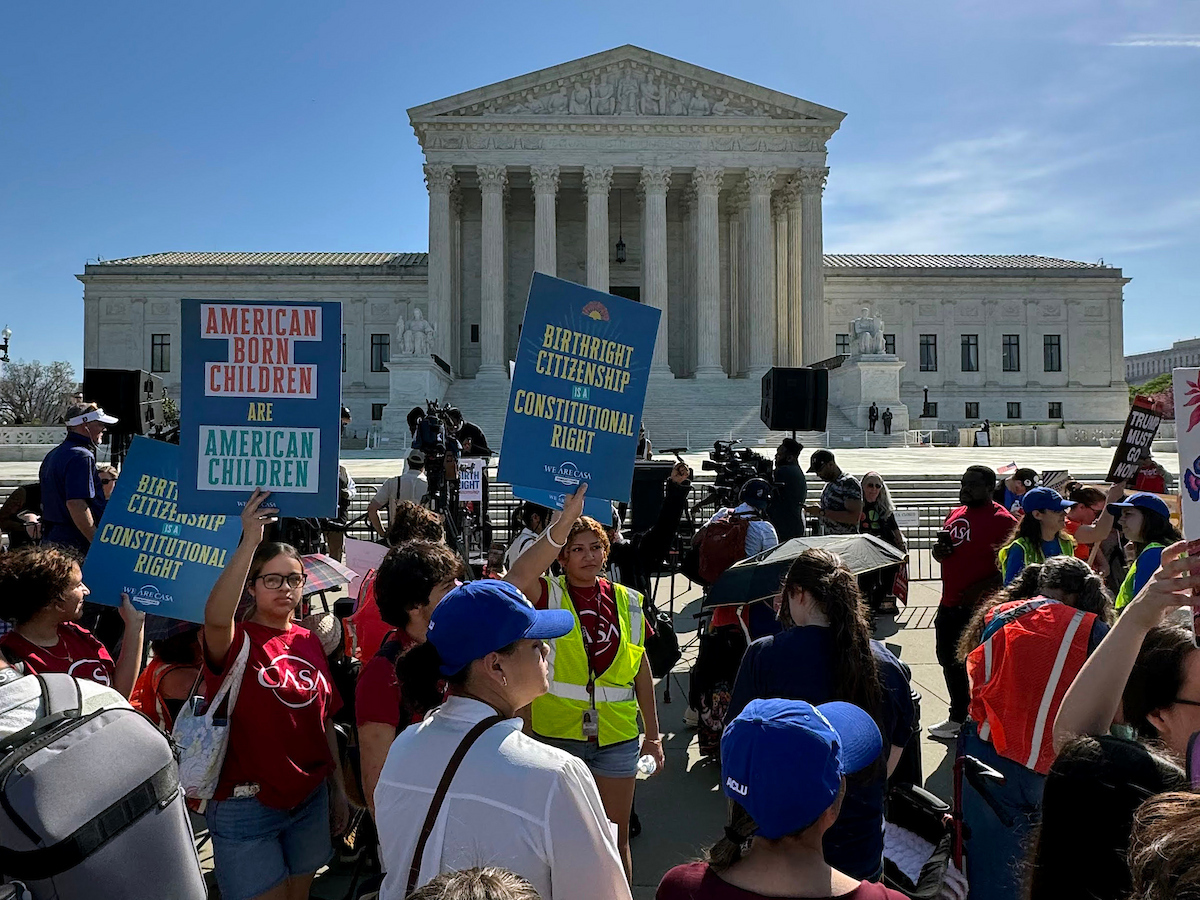
“The court’s decision reaffirms a fundamental American promise — if you are born here, you are a citizen,” said Cecillia Wang, the national legal director for the American Civil Liberties Union, in a statement.
Wang argued the challenge to the president’s executive order before the Supreme Court.
Trump made it one of his first actions in office by issuing Executive Order 14160, intending to end birthright citizenship. He was quickly challenged by the ACLU, the Legal Defense Fund, the Asian Law Caucus, and others, who filed a nationwide class action lawsuit, Trump v. Barbara.
In the 6-3 decision on June 30, the Supreme Court justices all decided, with the lower courts that took the case into consideration, that the order was unconstitutional.
Chief Justice John Roberts, who authored the court’s majority decision, cited the 14th Amendment, which reads, “All persons born or naturalized in the United States, and subject to the jurisdiction thereof, are citizens of the United States.”
In addition, the Supreme Court cited many pieces of research done on citizenship. One notable citation was Hirota’s 2017 book, “Expelling the Poor: Atlantic Seaboard States and the Nineteenth-Century Origins of American Immigration Policy.”
The court referenced a story in Hirota’s book about an American-born Irish infant who was deported by Massachusetts in 1855, which was met with “outcry.”
The Supreme Court also cited “The Development of American Citizenship, 1608-1870,” by Kettner.
UC Berkeley School of Law Dean Erwin Chemerinsky said when he first heard about the order Trump issued on his second day in office, he thought, “This is clearly unconstitutional.”
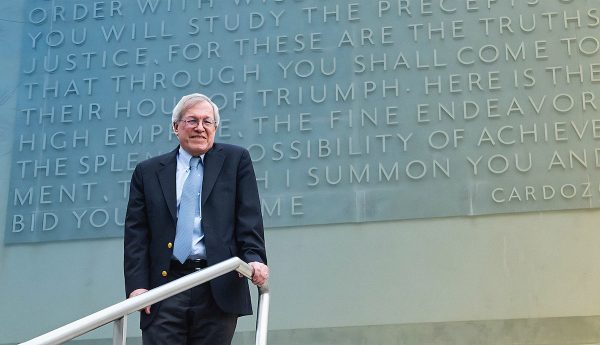
“There had been some right-wing fringe that had tried to make this argument in the past … (but) the overwhelming consensus was that the Constitution was clear,” Chemerinsky said.
Chemerinsky has taught constitutional law for more than 40 years at various institutions and has written many books and articles on constitutional law. To Chemerinsky, this order had nearly no chance of passing.
This is the first time in more than 100 years that birthright citizenship has been challenged. The United States v. Wong Kim Ark in 1898 was an attempt to stop children of immigrants who were born in the United States, especially from Eastern European and Asian countries, from becoming citizens.
The consensus reached in 1898 was the same in 2026.
“It’s based on tradition,” Chemerinsky said. “Until President Trump’s second term, the law was clearly established for birthright citizenship. That’s what the decision was based on.”
This story originally appeared in The Daily Californian. It was reported as part of the newspaper’s summer journalism intensive training program for high school students, The Berkeley Angle.