As the school year has wound down, summer is a perfect time to visit the great outdoors. This year, you may see more people from diverse backgrounds enjoying the region’s parks due to a new grant.
The East Bay Regional Park District (EBRPD) announced earlier this year that 16 community-based and local organizations will receive between $7,000 and $20,000 in grant funding to focus on three main areas: diverse communities visiting the park, learning about the park while in one’s own community, and learning about political advocacy related to EBRPD.
Park district leadership planned the Community Engagement Grant Pilot Program to address the unequal access to parks and public programs due to systemic inequalities. According to a January press release, district leadership hoped that this investment would “reduce barriers to access, build meaningful relationships, and create more inclusive opportunities for engagement with nature.” The idea was to invite nonprofits that serve diverse communities to use the funds to create programs and experiences across EBRPD’s 73 parks in Contra Costa and Alameda counties, as well as in experiences closer to home for community members.
The EBRPD first announced the grant application in January, with individual grants up to $20,000 and a total of $150,000 for all groups. However, the park district received over 100 letters of interest from nonprofits, amounting to more than $1.75 million requested, according to an EBRPD staff report. Due to this need, the EBRPD secured matching funds from a private donor through the Regional Parks Foundation, doubling the total grant funding from $150,000 to $300,000.
The grant funds were focused on three categories: Explore the Outdoors, Nature in the Neighborhood, and Civic Engagement. Explore the Outdoors focuses on bringing different cultures to parks, as well as skill-building and making parks more accessible. Funds could be used for transportation, guided workshops, or other experiences. Nature in the Neighborhood brings nature-based education and programs to communities. A clear difference between these two is that the first one is bringing people to parks, whereas the second is bringing the parks to people. The last category is Civic Engagement. This involves learning more about parks, local government, and recent policies related to EBRPD.
One of the funded organizations is Parent of African American Achievement Collaborative Team (PAAACT). This Contra Costa County-based organization aims to equip African American students and children for future success. Their current programs include events, camping, and after-school programs in Pittsburg.
PAAACT plans to allocate its $20,000 grant to an educational, nature-based class. Executive director Dennisha Marsh explains that she applied for the grant because “I just want to see more African American kids in the park … [and I was looking for] a way to get them there.” This will help them bring more African American children to regional parks, including Black Diamond and Bay Point regional parks.
Another funded organization, Growing Together, is centered on bettering the well-being of Bay Area and Contra Costa County communities through education and interactive programs around nature and gardening. Their current programs include fresh food access and environmental education in the Oakland Unified School District and the West Contra Costa Unified School District.
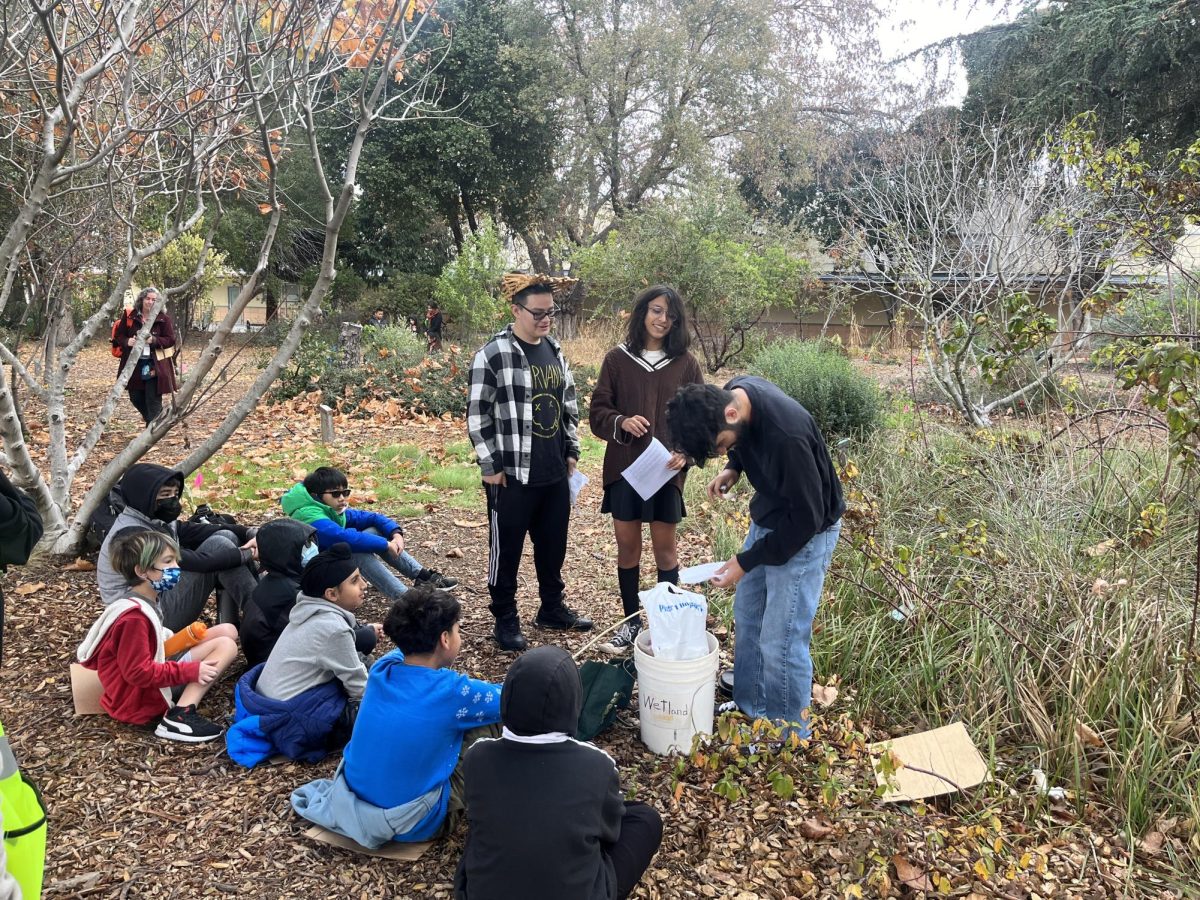
According to Alli O’Brien, the co-director of Growing Together, they’ll allocate their $20,000 grant to an after-school program at San Lorenzo High School in the Native Plant Forest, where students are trained to teach fourth graders about Indigenous plants within the community. They already have a teaching garden and the connections, but this grant specifically will allow them to continue funding this program after the recent end of another source of funding. O’Brien explained that Growing Together’s programs are aligned with the goals of the EBRPD. Growing Together wants to help younger generations connect to nature and “see themselves as stewards of our natural environment and develop more healthy habits in life, whether it’s through nutrition or recreation.”